What Is Commercial Truck Insurance?
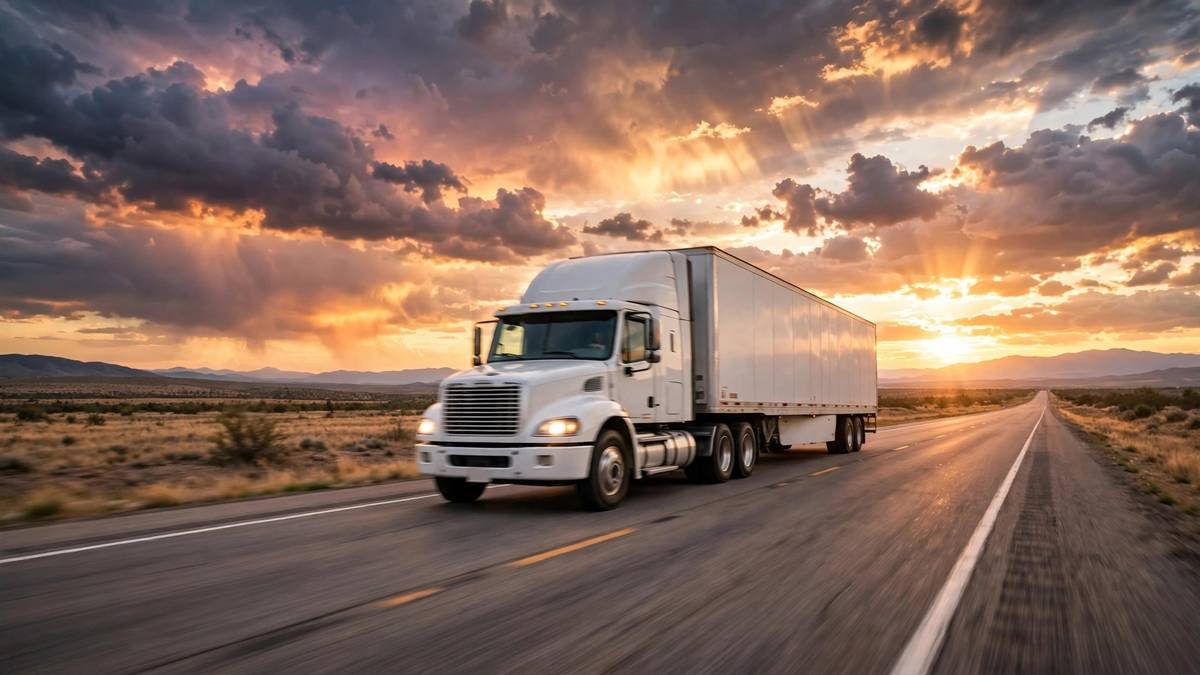
Commercial truck insurance is a specialized type of business insurance designed for vehicles used to transport goods or operate as part of a for-hire trucking operation. Unlike a standard personal auto policy, it accounts for the higher mileage, heavier loads, and greater liability exposure that come with commercial trucking. Whether you run a single box truck making local deliveries or manage a fleet of semi-trucks crossing state lines, the right coverage protects your business from the financial fallout of accidents, cargo loss, and legal claims.
Federal and state regulations also play a major role. Interstate carriers, for example, must meet minimum liability requirements set by the Federal Motor Carrier Safety Administration (FMCSA) before they can legally operate. Understanding these obligations is the first step toward building a policy that keeps you compliant and protected.
The Core Types of Coverage
A commercial truck insurance policy is rarely a single product. It is usually a bundle of coverages, each addressing a different risk. Here are the most important ones.
Primary Liability Insurance
Primary liability is the foundation of every trucking policy and is legally required for most commercial operations. It covers bodily injury and property damage that your truck causes to others in an at-fault accident. This includes medical bills for injured third parties, repair costs for damaged vehicles or property, and legal defense expenses if you are sued. Because trucks can cause far more damage than passenger cars, liability limits in commercial policies are substantially higher than in personal auto insurance, and regulators set minimum thresholds you must meet.
Cargo Insurance
Cargo insurance protects the freight you are hauling. If goods are damaged, stolen, or lost while in your care, this coverage reimburses the cargo owner for the loss. Many shippers and brokers will not hire a carrier without proof of cargo insurance, and some types of freight — such as refrigerated goods or high-value electronics — may require specific endorsements or higher limits. When selecting cargo coverage, pay attention to exclusions, per-load limits, and any requirements around how freight must be secured.
Physical Damage Coverage
Physical damage coverage repairs or replaces your own truck and trailer after a collision, theft, fire, vandalism, or weather event. It is typically split into collision coverage (damage from accidents) and comprehensive coverage (non-collision events like hail or theft). Lenders and leasing companies almost always require physical damage coverage until a truck is paid off. Even for owned-outright vehicles, dropping this coverage means absorbing the full replacement cost yourself if the truck is totaled.
Additional Coverages Worth Considering
- Bobtail insurance: Covers your truck when it is being driven without a trailer for non-business purposes.
- Non-trucking liability: Protects owner-operators when using their truck for personal reasons outside of dispatch.
- Uninsured/underinsured motorist coverage: Steps in if you are hit by a driver with little or no insurance.
- Medical payments coverage: Helps with medical expenses for you and your passengers after an accident.
- Trailer interchange coverage: Covers trailers you do not own but haul under a trailer interchange agreement.
Who Needs Commercial Truck Insurance?
Any business that uses trucks to move goods or generate revenue generally needs commercial truck insurance. This includes:
- Owner-operators leased to a motor carrier
- Independent for-hire carriers with their own operating authority
- Private carriers hauling their own company’s products
- Businesses using box trucks, dump trucks, or tow trucks for daily operations
- Fleet owners managing multiple commercial vehicles
If a vehicle is used for business purposes — especially to transport cargo for hire — a personal auto policy will not cover it. Using the wrong type of policy can lead to denied claims, so matching the coverage to the actual use of the vehicle is essential.
What Affects the Cost of a Trucking Policy?
Premiums for commercial truck insurance vary widely because insurers weigh many risk factors. Understanding these helps you anticipate costs and identify ways to keep them manageable.
Driving History and Experience
Insurers look closely at the driving records of everyone who will operate the truck. A clean record with no at-fault accidents or serious violations signals lower risk. Years of commercial driving experience also matter — newer drivers typically face higher premiums until they build a track record.
Type of Truck and Cargo
A semi-truck hauling hazardous materials presents a very different risk profile than a box truck delivering furniture locally. Vehicle weight, value, and cargo type all influence pricing. Specialized or high-risk freight generally costs more to insure.
Operating Radius and Routes
Long-haul operations that cross multiple states log more miles and encounter more varied road conditions than local delivery routes. Greater mileage usually means greater exposure, which is reflected in the premium.
Coverage Limits and Deductibles
Higher liability limits and lower deductibles increase premiums, while the reverse lowers them. The key is finding a balance: limits high enough to protect the business, deductibles you can comfortably afford out of pocket.
Location and Garaging
Where the truck is garaged and primarily operated affects pricing. Areas with heavy traffic congestion, higher theft rates, or frequent severe weather tend to carry higher premiums.
How to Shop for Quotes the Smart Way
Buying commercial truck insurance is not like buying personal auto insurance — the policies are more complex, and working with the right guidance matters. Follow these steps to get solid coverage at a fair price.
- Work with a commercial trucking specialist: Look for an agent or broker who focuses on transportation insurance. They understand filings, endorsements, and regulatory requirements that generalist agents may miss.
- Gather your details first: Have your USDOT and MC numbers, vehicle information (VINs, values, mileage), driver records, and loss history ready. Complete information leads to accurate quotes.
- Compare at least three quotes: Premiums and coverage terms differ between insurers. Comparing multiple offers helps you spot gaps and overpriced policies.
- Check the insurer’s financial strength: A cheap policy from an unstable insurer is a false economy. Look for carriers with strong financial ratings and a track record of paying trucking claims.
- Review exclusions carefully: Two policies with similar premiums can differ dramatically in what they exclude. Read the fine print before committing.
- Ask about available discounts: Safety programs, dash cameras, telematics, and paid-in-full options can sometimes reduce premiums.
- Revisit your policy annually: As your fleet, routes, or drivers change, your coverage should change too. An annual review keeps you from overpaying or being underinsured.
Staying Compliant on the Road
Insurance is not just protection — for many carriers it is a legal operating requirement. Interstate carriers must maintain active filings proving their liability coverage, and lapses can result in suspended operating authority. Keep certificates of insurance accessible in every truck, notify your insurer promptly of any accidents, and never let a policy lapse without a replacement in place. A well-structured commercial truck insurance program does more than satisfy regulators: it gives you the confidence to run your business knowing that one bad day on the road will not wipe out everything you have built.